Pistachio Aflatoxin Sorter (Best) #ClickHere

Aflatoxin control solutions
With the help of Vali sorters
What is aflatoxin?
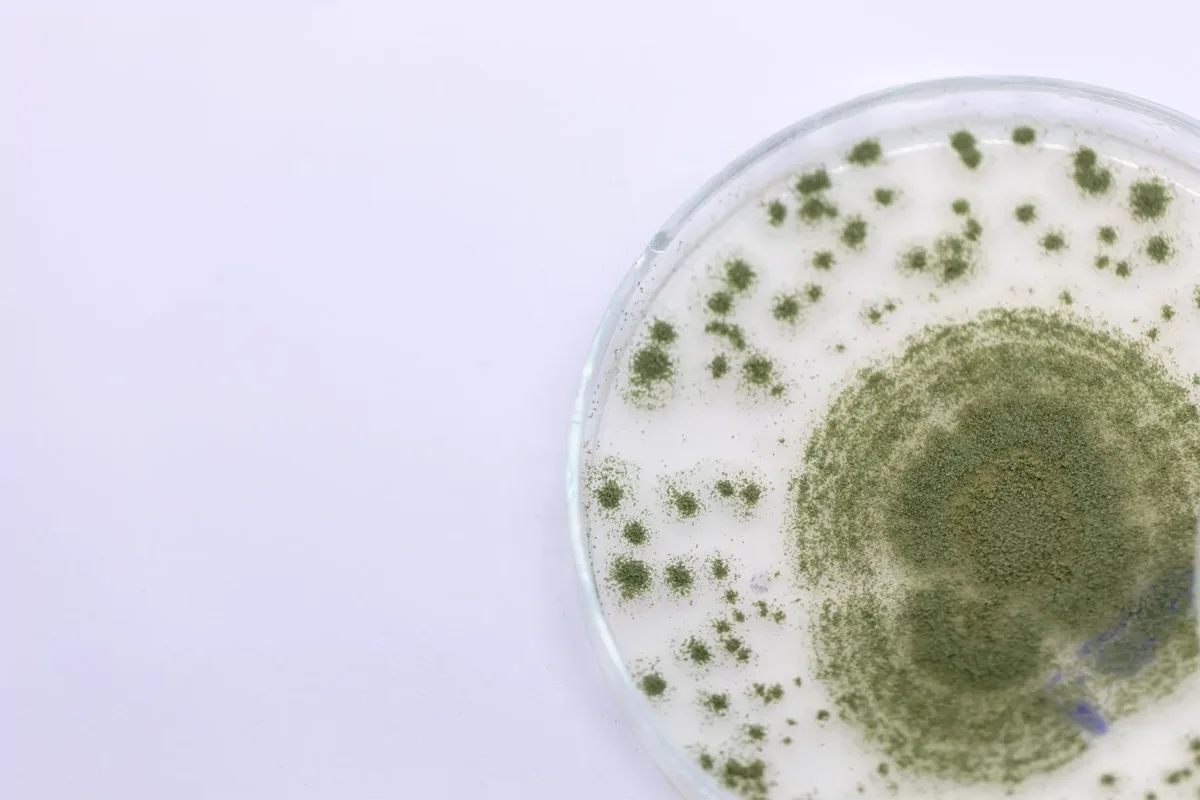
Aflatoxins are one of the most important fungal toxins that contaminate food products and pose a threat to human and animal health. Aflatoxins are produced by approximately 24 species of Aspergillus fungus. Aspergillus flavus and Aspergillus parasiticus are the most common fungi that produce the main aflatoxins.
There are four main types of aflatoxins: B1, B2, G1, and G2. The most toxic aflatoxin is type B1, which is a thousand times more carcinogenic than benzopyrene (a carcinogenic substance found in cigarette smoke) and is classified in Group 1 by the International Agency for Research on Cancer.
# Health hazards to humans:
- Acute poisoning: liver damage, abdominal pain, vomiting.
- Chronic exposure: liver cancer, immunosuppression, stunted growth in children.
Aflatoxin; a major challenge for Iran's pistachio export.
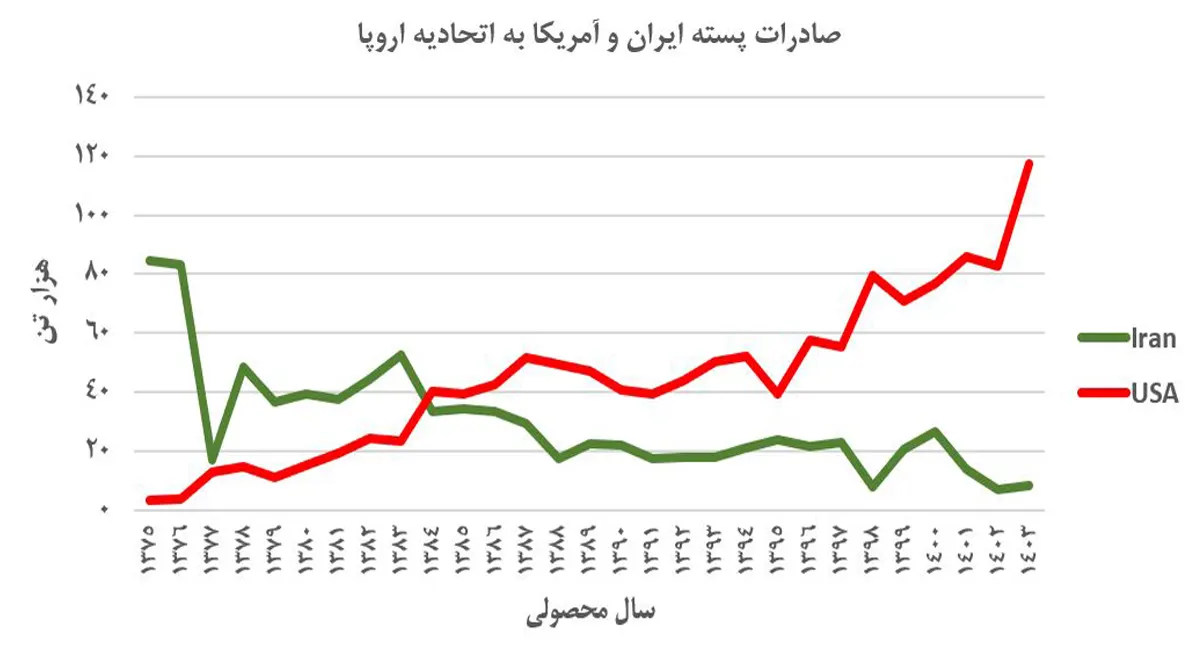
Aflatoxin contamination has been one of the most significant challenges for Iran’s pistachio exports to various destinations, especially to European countries. These challenges began in 1997, when the import of Iranian pistachios to the European Union faced restrictions due to high levels of aflatoxin.
From that time until 2009, many efforts were made by activists in Iran’s pistachio industry to resolve the import restrictions on Iranian pistachios in European markets. These efforts eventually paid off in 2009, and a large part of these barriers was removed.
However, in 2022, the issue of aflatoxin contamination in Iranian pistachios was reopened in the European Union, and this case is still ongoing. This has led to significant penalties being imposed by the Iranian government on exporters whose shipments are rejected and returned from Europe.
Aflatoxin control strategies in the orchard and during pistachio processing.
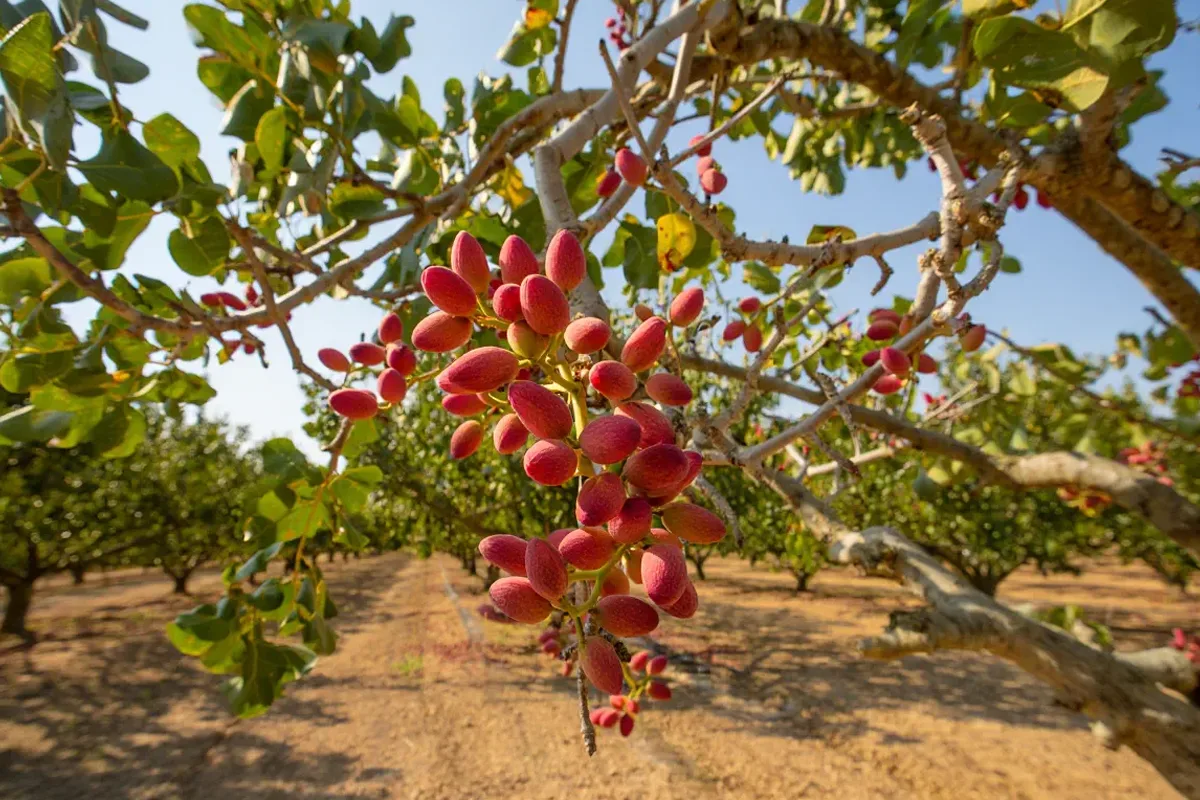
Among the strategies that can be implemented in the orchard to reduce the likelihood of contamination are:
- Using drip irrigation.
- Removing branches close to the ground.
- Reducing stress on the tree (water, pests, nutrition).
- Maintaining the integrity of the soft hull of the pistachio.
- Avoiding delays in harvesting.
Also, the most important strategies that can be proposed to reduce the likelihood of contamination during the pistachio processing stage are:
- Accelerating the transfer of harvested products to the pistachio receiving terminal and accelerating the start of processing and hulling.
- Washing the product and separating floating pistachios (the majority of suspicious pistachios are floaters).
- Accelerating the drying process of the processed product.
- Storage in a dry environment (moisture content below 6%).
- Continuous monitoring of storage humidity and temperature.
Aflatoxin control for pistachios during the export stage
For a trader who does not have much control over the orchard and processing stages, what solution can be offered to control aflatoxin contamination levels? Since contaminated kernels usually make up only a small portion of the total shipment and most kernels are not contaminated, manual and machine sorting methods for aflatoxin in pistachios using ultraviolet (UV) light have long been welcomed by players in the pistachio industry.
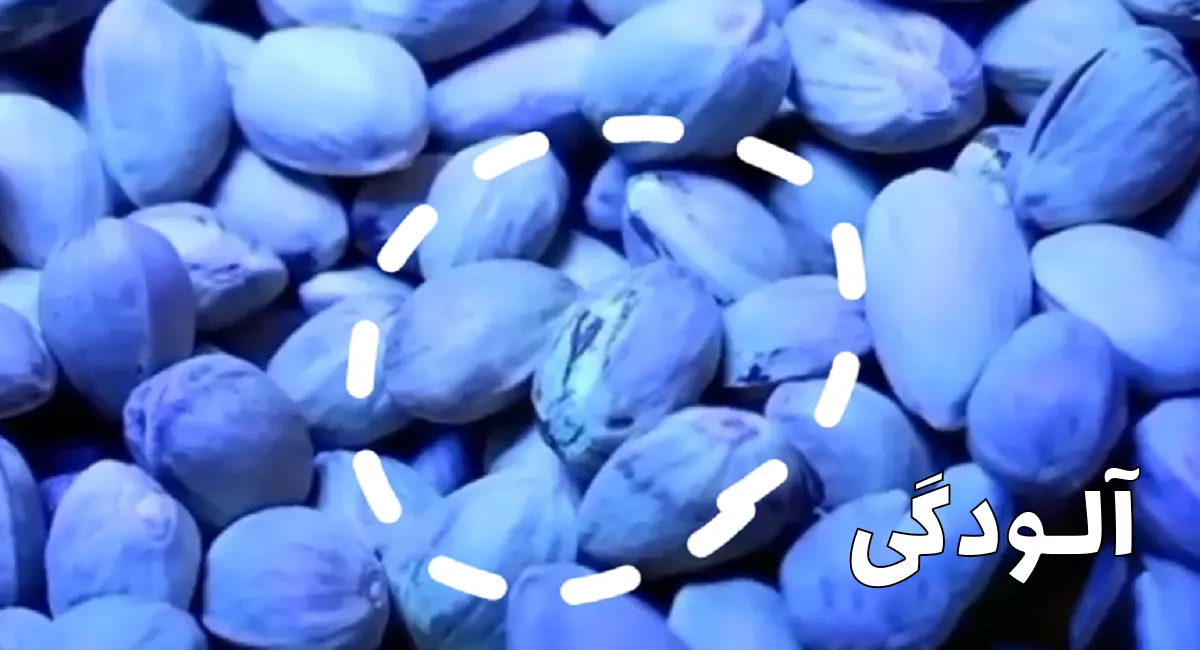
Vali Company, as the first Iranian supplier of intelligent aflatoxin sorting machines, is proud to offer an innovative solution for one of the longstanding challenges of the pistachio industry by relying on the latest global technologies. Through close collaboration with traders, leading farmers, and processing plant managers, the company aims to improve productivity and contribute to the sustainable development of this industry.

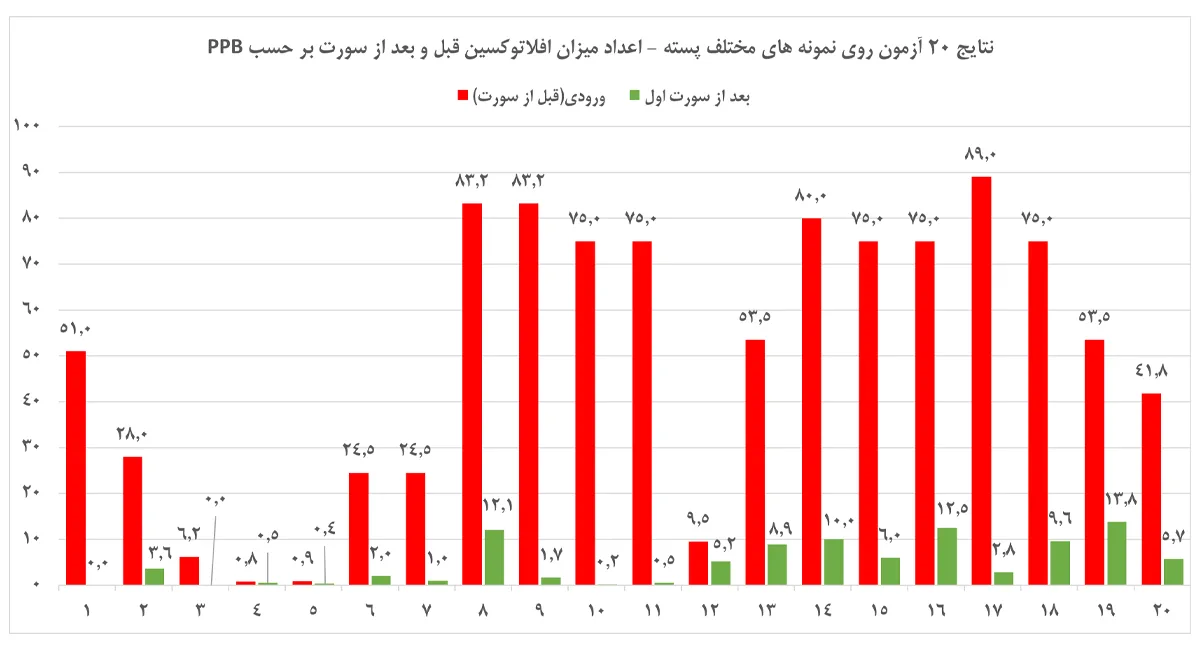
In the image below, you can see the performance of Vali sorters (with one pass) in reducing aflatoxin levels in 20 different pistachio shipments with varying levels and types of contamination. In order for our customers to achieve maximum efficiency from their sorting machine and overcome the aflatoxin challenge at the lowest possible cost, Vali Company, in addition to selling the machine, offers a set of solutions to its customers, including guidelines, training, consultations, and the Afla-FS auxiliary software. These solutions, alongside Vali’s aflatoxin sorting machines, help the customer to:
Significantly reduce the risk of shipment rejection.
- Make quick decisions regarding whether to purchase or reject incoming shipments.
- Reduce the frequency and volume of sampling and testing while maintaining accuracy.
- Using the specialized Afla-FS software, evaluate the economic feasibility of decontaminating incoming shipments.